As of 10:02 PM PST on Wednesday, January 7, 2026, Reuters reports global data center investment surpassing $500 billion, with AI demand creating a 40% compute gap, prompting Microsoft and Google to announce massive expansions. Simultaneously, the UN Digital Economy Summit in Singapore closes, calling for green data infrastructure to address energy crises. In this context, prefab container housing—including shipping container homes and modular container homes—emerges as the new favorite for data center expansions, edge computing stations, and AI server rooms with 7-day deployment, liquid cooling compatibility, and photovoltaic self-sufficiency. This article explores how prefab data center solutions seize the data center boom and lead the future of sustainable computing architecture.
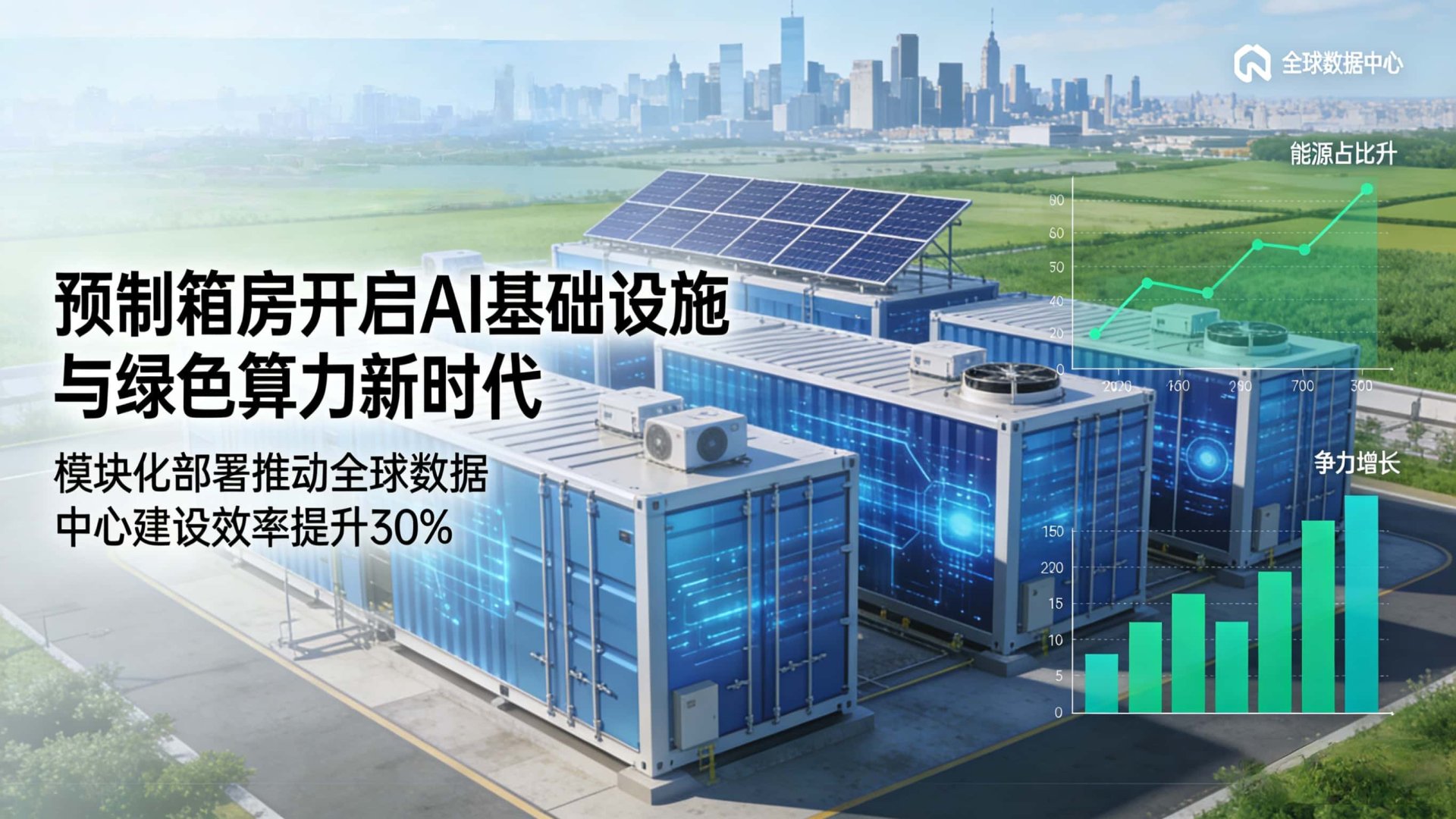
The AI era peaks in computing power, with Reuters reporting global data center electricity demand equivalent to a medium-sized country, as traditional facilities lag with 180-day cycles and high energy use. In 2026, prefab container housing excels with 7-14 day rapid assembly and cabinet spaces exceeding 60 square meters, ideal for data center expansions. Amid high-load operations, these units use galvanized steel frames and liquid-cooled sandwich panels, ensuring PUE<1.2 and magnitude-8 seismic resistance, securing AI infrastructure.
Moreover, the UN Summit urges sustainable digital infrastructure, and prefab container housing aligns perfectly by reducing on-site waste by 70%. Market data shows a 38% surge in demand for modular data centers in 2026, with prefab AI computing homes outstanding in Microsoft cloud warehouses, Google edge stations, and sovereign AI projects, becoming a new hotspot in the data center boom.

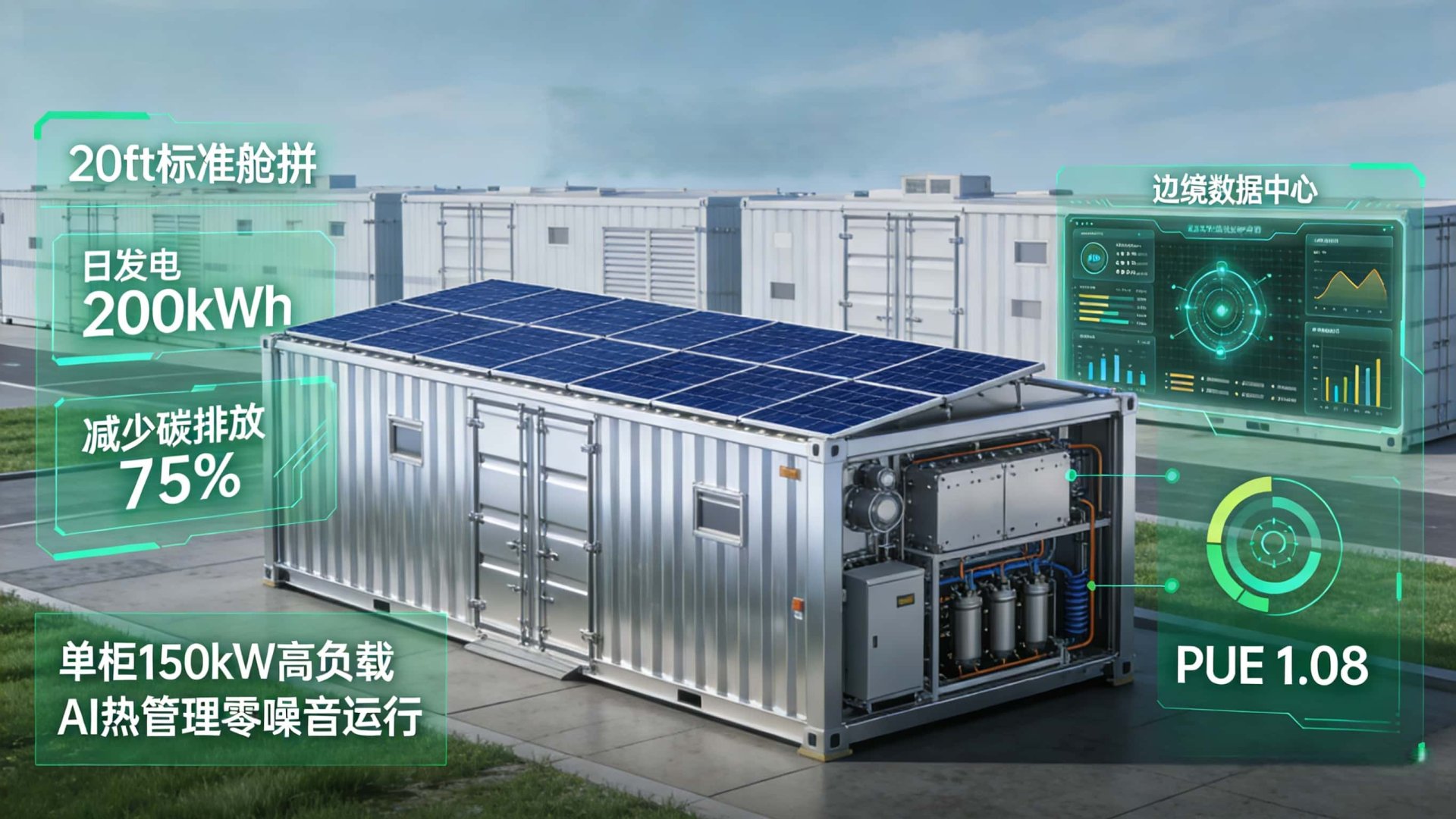
The innovation of prefab container housing lies in the fusion of high-density computing and green energy. Qingdao Junda House International Trade Co., Ltd. offers the “Compute Star Series” with immersion liquid cooling systems supporting 150kW per cabinet, using AI thermal management for zero-noise operation. Photovoltaic + battery systems generate 200 kWh daily, fully powering servers and cutting carbon emissions by over 75%. Additionally, modular design enables plug-and-play, like 20ft standard units scaling into 5,000㎡ edge data centers, boosting compute flexibility.
In practice, this January 2026, a Microsoft partner deployed our prefab container housing in the U.S. Midwest for a 2,000-cabinet green data center, installed in just 10 days with liquid cooling and smart monitoring, achieving PUE 1.08 and earning high praise from Reuters. Priced at $180-270 per square meter, our investment in premium materials and comprehensive services—including liquid cooling customization, 20-day logistics, and 1-year warranty—ensures value and longevity.
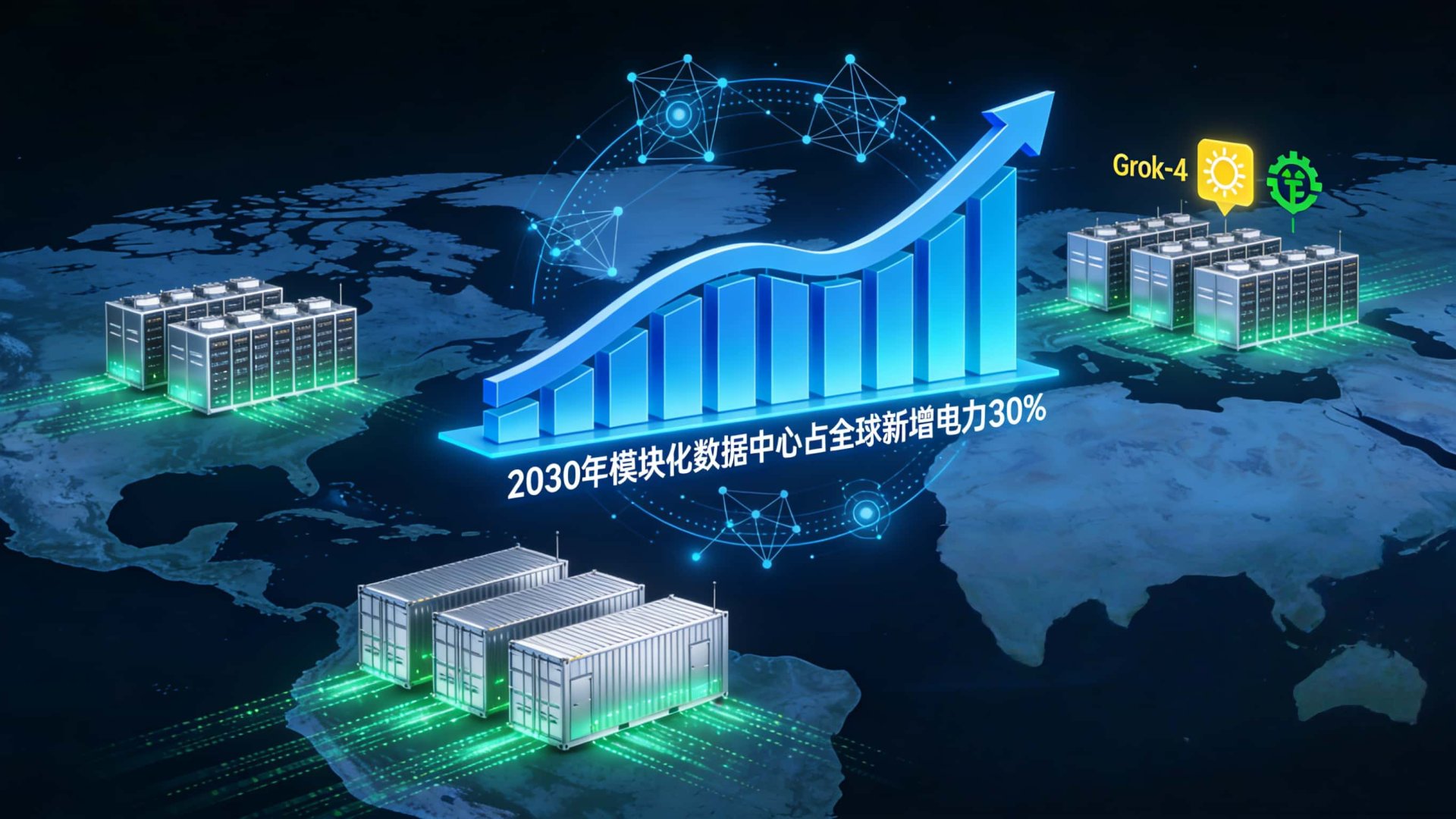
Looking to the full year of 2026, the prefab container housing industry will explode. Data center boom fuels demand for AI infrastructure and green computing, with forecasts predicting modular data centers will comprise 30% of global new compute capacity by 2030. AI and Grok-4 efficiency optimization will lower PUE further, delivering smarter, greener experiences. Beyond AI data centers, these solutions serve as edge computing stations or sovereign cloud warehouses, supporting global digital economy goals.
With 8 years of international trade experience, Qingdao Junda House International Trade Co., Ltd. serves over 30 countries, offering products for data centers, green computing, and commercial use. We are committed to advancing AI infrastructure and sustainable digital through prefab container housing.
In the 2026 data center boom, prefab container housing brings compute power and green dividends to tech firms and operators. Qingdao Junda House International Trade Co., Ltd. warmly invites global partners to promote green modular data centers. Contact us for customized solutions and co-create an AI compute future!
Inquiry Now
Keda Industrial Park, Tongle Street, Development Zone, Changle County,262400,Weifang, Shandong Province, China
© 2025 Qingdao Junda House International Trade Co., Ltd All Rights Reserved. Powered by HiCheng